VMU BRANCH
URALCHEM JSC

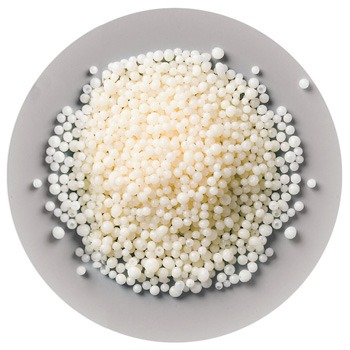
Ammonium nitrate, grade B. GOST 2-2013
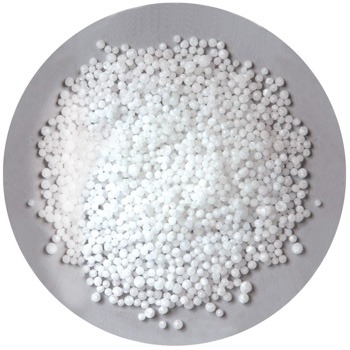
Urea, grade B. GOST 2081-2010
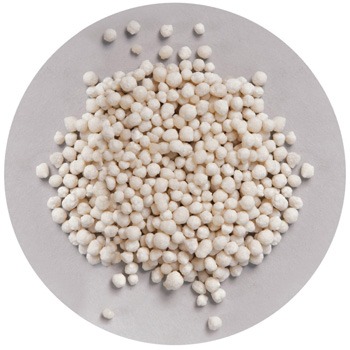
Ammophos NP 12:52
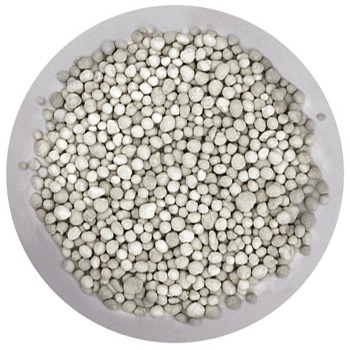
Azofoska NPK 16:16:16
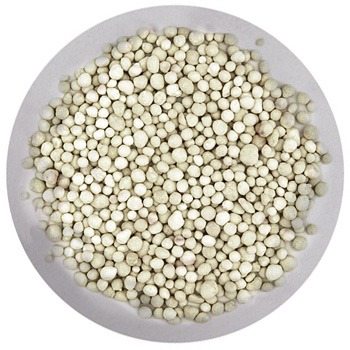
Azofoska NPK 15:15:15
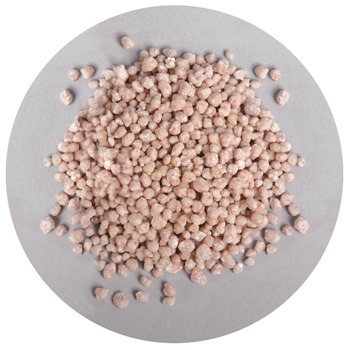
Diammophoska NPK 10:26:26
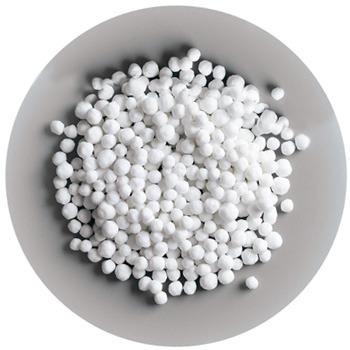
Calcium ammonium nitrate (CAN)
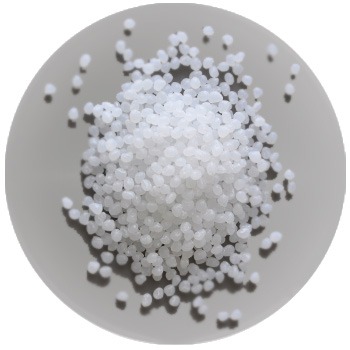
Nitrogen phosphate 33:3
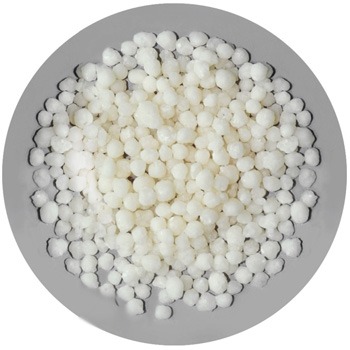
Sulfonitrate NS 30:7
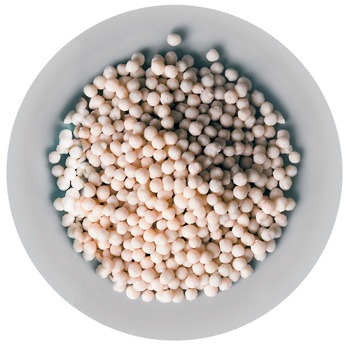
Azofoska NPKS 27:6:6:2
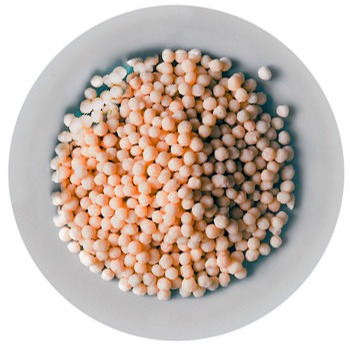
Nitroammophoska NPK 24:6:12
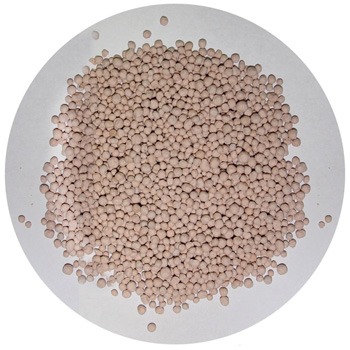
Nitroammophoska NPKS 21:10:10:2
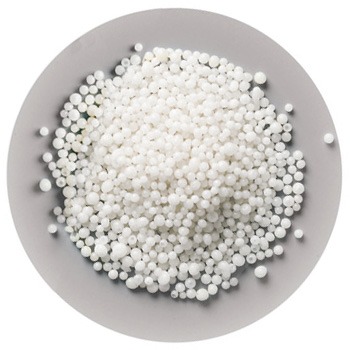
Anhydrous calcium nitrate. Formula: Ca(NO3)2
Concentrated calcium nitrate with magnesium 17N + 32 CaO + 1 MgO
Concentrated calcium nitrate
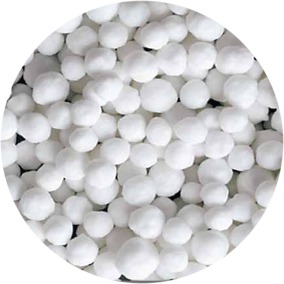
Calcium ammonium nitrate with sulfur
VMU Branch of Uralchem JSC is one of Russia's largest producers of phosphate fertilizers, phosphoric acid and sulfuric acid. VMU Branch of Uralchem JSC is located in Voskresensk, one of the industrial centres of the Moscow Region, 88 kilometres south-east of Moscow. The plant's production assets form a compact, self-contained site.
The main products of VMU Branch of Uralchem JSC are nitrogen-phosphorus (NP) and nitrogen-phosphorus-potassium (NPK) fertilizers. They are used on all soils and for a wide range of crops. The plant also produces phosphoric and sulfuric acids of various grades.
All of the plant's products are of high quality and meet Russian and international standards.
The main raw materials are apatite, sulfur and ammonia.
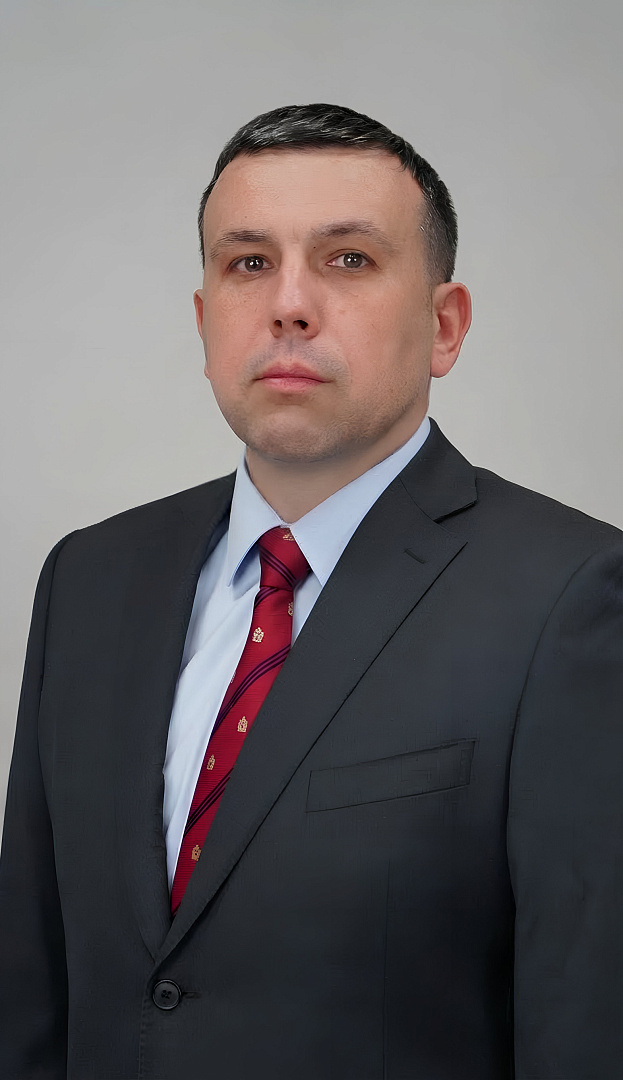
Vladimir Semenovich Shvedikov, Director of the VMU Branch of Uralchem JSC in Voskresensk
Born in 1987. He graduated from the Rostov Technological Institute of Service and Tourism at South-Russian State University of Economics and Service with a degree in Radio-Electronic Equipment. In 2021 he completed a mini MBA management programme. In 2022 he graduated from North-Caucasus Federal University with a degree in Chemical Technology of Inorganic Substances. In 2024 he completed the programme “Technology of Systemic Innovation. TRIZ for Business and Management” at ICG Training and Consulting (the Netherlands). From 2006 he worked at subsidiaries of Gazprom PJSC, rising from an instrumentation and control fitter to deputy head of the automation department. From 2019 to 2023 he was chief engineer of Almaz Fertilizers LLC. From 2023 to 2026 he was chief engineer of the VMU Branch of Uralchem JSC in Voskresensk. Since January 2026 he has been director of the VMU Branch of Uralchem JSC in Voskresensk.
1930 — The first phosphate rock meal shop, with a capacity of 200 thousand tonnes a year, was commissioned.
1931 — The first tonnes of mineral fertilizers were produced.
1939 — Contact sulfuric acid production was launched.
1950 — The country's first granulated superphosphate shop was commissioned.
1951 — 1957 — Production of ammonia, nitric acid and compound fertilizers was mastered. Pilot shops of a branch of the Research Institute for Fertilizers and Insectofungicides (NIUIF) began operating at the plant.
1959 — Reconstruction of the Voskresensk Chemical Plant began.
1963 — The country's first shop for double granulated superphosphate, with a wet-process phosphoric acid unit, was commissioned.
1966 — A contact sulfuric acid complex was put into operation.
1969 — Wet-process phosphoric acid plant No. 2 and the first unit of the fluoride salts shop were commissioned.
1970 — Production of ammonia and weak nitric acid was mastered, and the compound fertilizer shop was commissioned.
1974 — The monoammonium phosphate shop was put into operation.
1975 — Sulfuric acid shop No. 3, phosphoric acid shop No. 4 and monoammonium phosphate shop No. 2 were commissioned. Output of mineral fertilizers in the operating shops was increased, and low-efficiency units were taken out of service.
1987 — The SK-41 and SK-48 units were put into operation.
1999 — Production of diammonium phosphate (DAP) started.
2002 — A quality management system meeting ISO 9001 was introduced. The quality system was certified by the Russian GOST R body and by the German company TÜV NORD CERT.
2006 — The ownership structure was reorganized by merging CJSC Kormofos (phosphorus-based feed additives) and CJSC GOP (phosphorite mining at the Yegoryevsk deposit) into OJSC Voskresensk Mineral Fertilizers.
2012 — The product range was expanded: production of water-soluble SOLAR fertilizers was launched.
2013 — A management system meeting BS OHSAS 18001 was introduced. The quality system was certified by the German company TÜV NORD CERT.
2014 — Together with Uralkali, a decision was made to finance development of a technology and construction of a pilot plant for potassium chloride granulation. The project was planned for completion in 2015.
2015 — Laureate of the Russian Quality programme of the All-Russian Quality Organization. On 16 September 2015 the company was renamed Joint Stock Company Voskresensk Mineral Fertilizers (JSC Voskresensk Mineral Fertilizers).
2016 — The company began building its own distribution bases and a dealer network across the Russian Federation, so that niche products could be sold directly.
2016 — Water-soluble fertilizer production was brought to industrial scale. VMU specialists mastered 10 grades, combinations of water-soluble NPK in different ratios.
2017 — Production of a new line of water-soluble compound fertilizers for open-field crops began under the Aqua Drop brand.
2017 — The largest investment project in recent decades, the modernization of sulfuric acid production, was launched.
2018 — The process for clarified phosphoric acid was improved and output was increased.
2019 — The first stage of an investment project raising water-soluble NPK capacity from 8 thousand tonnes to 18 thousand tonnes a year was completed.
2019 — As part of the sulfuric acid modernization, the second final absorption tower, which captures pollutants before they are released into the atmosphere, was replaced.
2020 — A technical re-equipment programme for wet-process phosphoric acid shop No. 3 is under way to raise phosphoric acid capacity to 190 thousand tonnes a year.
2020 — Technical re-equipment of ammophos shop No. 1 was completed. Lines were commissioned for water-soluble monoammonium phosphate, with a capacity of up to 50 thousand tonnes a year, and for NPKS fertilizers, with a capacity of up to 200 thousand tonnes a year.
2021 — A certification audit confirmed that feed-grade MAP production meets the GMP+ FSA standards for safe products. Feed-grade MAP is a feed additive that replenishes phosphorus and crude protein in the diets of ruminants. A large-scale project to modernize sulfuric acid production was completed, and three towers in the contact sulfuric acid shop were replaced. Total investment in the project exceeded 730 million rubles.
2022 — A new product was introduced: biomodified mineral fertilizer MultiStart NPKS 15:15:15:11. Field trials by the agronomy service of Uralchem JSC showed that yield per hectare rises by 10–15% on average compared with conventional mineral fertilizers. A record monthly output was set in wet-process phosphoric acid shop No. 3. In May 2022 the shop produced 18,799 tonnes of phosphoric acid, calculated as 100% P2O5. The result followed a large-scale technical upgrade of the shop and projects to raise operating efficiency and cut losses.
2023 — Ten new products were brought into production: the biomodified fertilizer MultiStart, water-soluble monopotassium phosphate, granulated ammonium sulfate and sulfoammophos, a new grade of water-soluble compound fertilizers Solar NPK Micro Final, and several NPK grades. In-house power generation was increased by 60% after a new condensing turbine rated at 12 MW was installed as part of a large modernization of the heat and power plant. Targeted student training, with later employment at the VMU branch, was organized at Voskresensk College and Shatura Power Engineering College.
2024 — A record 809 thousand tonnes of products were manufactured. In May a record daily output of wet-process phosphoric acid (WPA) was reached: 692 tonnes. Output of niche products increased: monoammonium phosphate (MAP) to 165 tonnes a day, and monopotassium phosphate (MKP) by more than 2.5 times year on year. Production and sales of SOLAR and AQUA DROP were increased.
2025 — A record 850 thousand tonnes of products were manufactured. Output of the niche products monoammonium phosphate (MAP) and monopotassium phosphate (MKP) was increased. A trilateral agreement was signed with Ivanovo State University of Chemistry and Technology and Voskresensk College. The agreement is of strategic importance for the plant and lays a firm foundation for a future talent pool.
1 Zavodskaya Street, Voskresensk Urban District, Moscow Region, 140200, Russian Federation.